
ABOUT US
The Foundation’s primary grantmaking emphasis is on place‑based, evidence‑oriented initiatives where its resources can produce tangible, viable, measurable outcomes and catalytic leverage. Preference will be given to programs and partners that demonstrate clear objectives; strong local leadership; community engagement and co‑management; rigorous evaluation; and potential for scale, replication, or institutional uptake. Core emphases include nature-based approaches to restoration and regeneration of natural resources; human and environmental health; protection and health of species and places of value to nature and people; and sustainability‑forward systems that advance resilience and positive changes – systems approaches that move beyond maintenance to positive transformation.
We take pride in partnering with an array of organizations that create change and make a meaningful impact in their local communities and are located in geographic areas that are personally significant to our Board: Central and Southern California and the Island of Hawaiʻi.
Dorrance Marine Conservation Initiative
This initiative provides support to high-performing non-profit organizations with demonstrated expertise in improving ocean health through the recovery, restoration, regeneration, and protection of marine habitat and biodiversity. Priorities are coral and kelp ecosystems and the imperiled and keystone species they harbor:
- Reefs, estuaries, and bays
- Watersheds, waterways, and land directly impacting reefs, estuaries, and bays with coral and kelp ecosystems
Local Grant Making Program
Beyond the Marine Conservation Initiative, the Foundation extends its grantmaking to organizations with a long-standing Dorrance family commitment—those whose missions and values remain core to the Foundation’s purpose.
The Foundation prioritizes places and sectors that reflect the family’s passions and demonstrated connections. Support may also be provided to locations or issue areas where family members do not reside when there is a meaningful, documented connection.
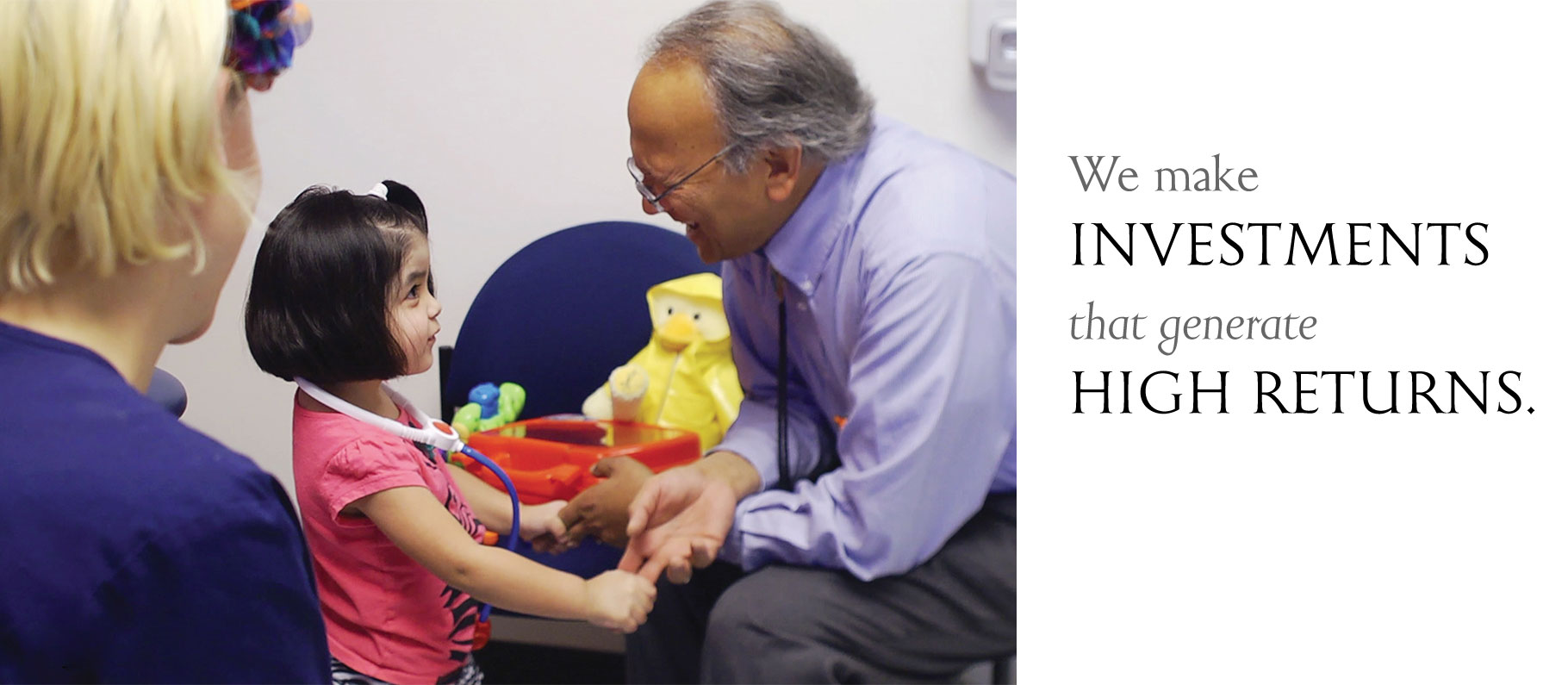
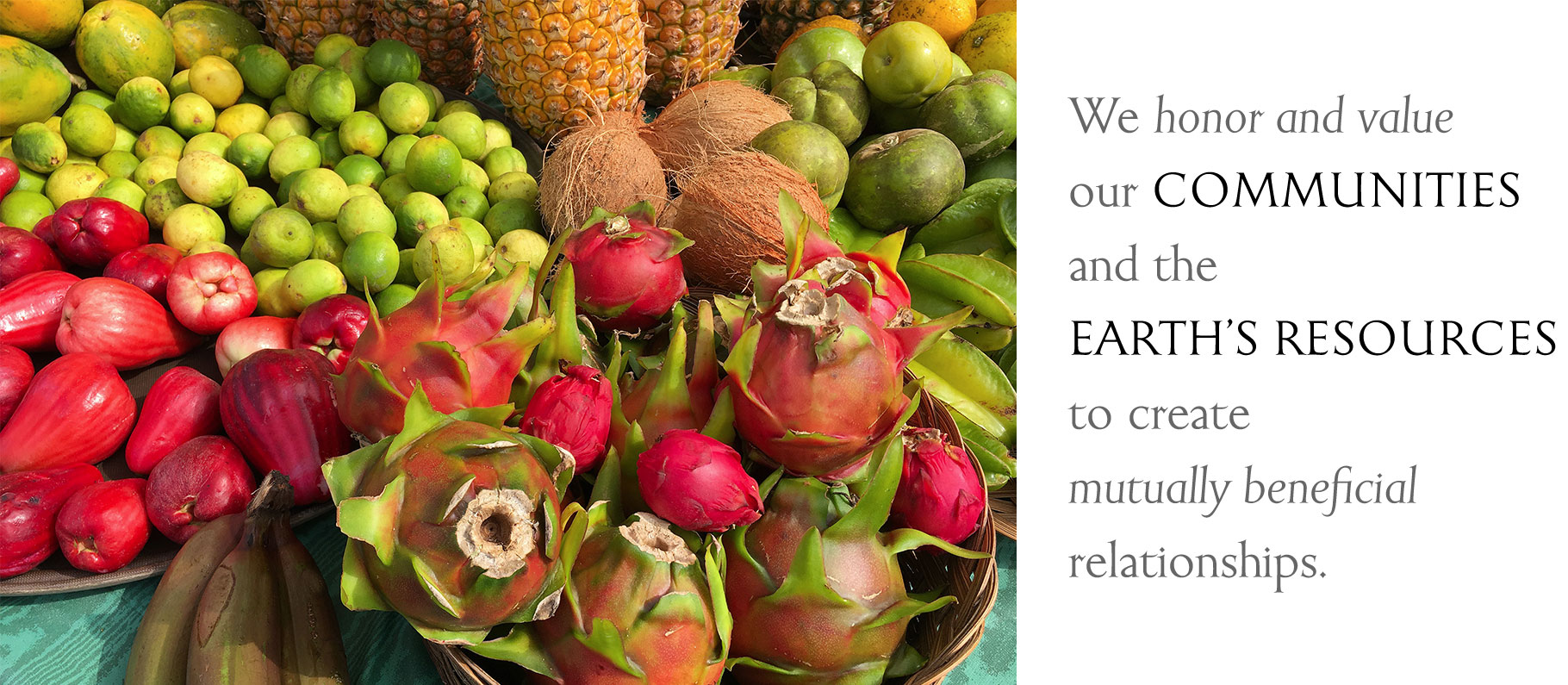
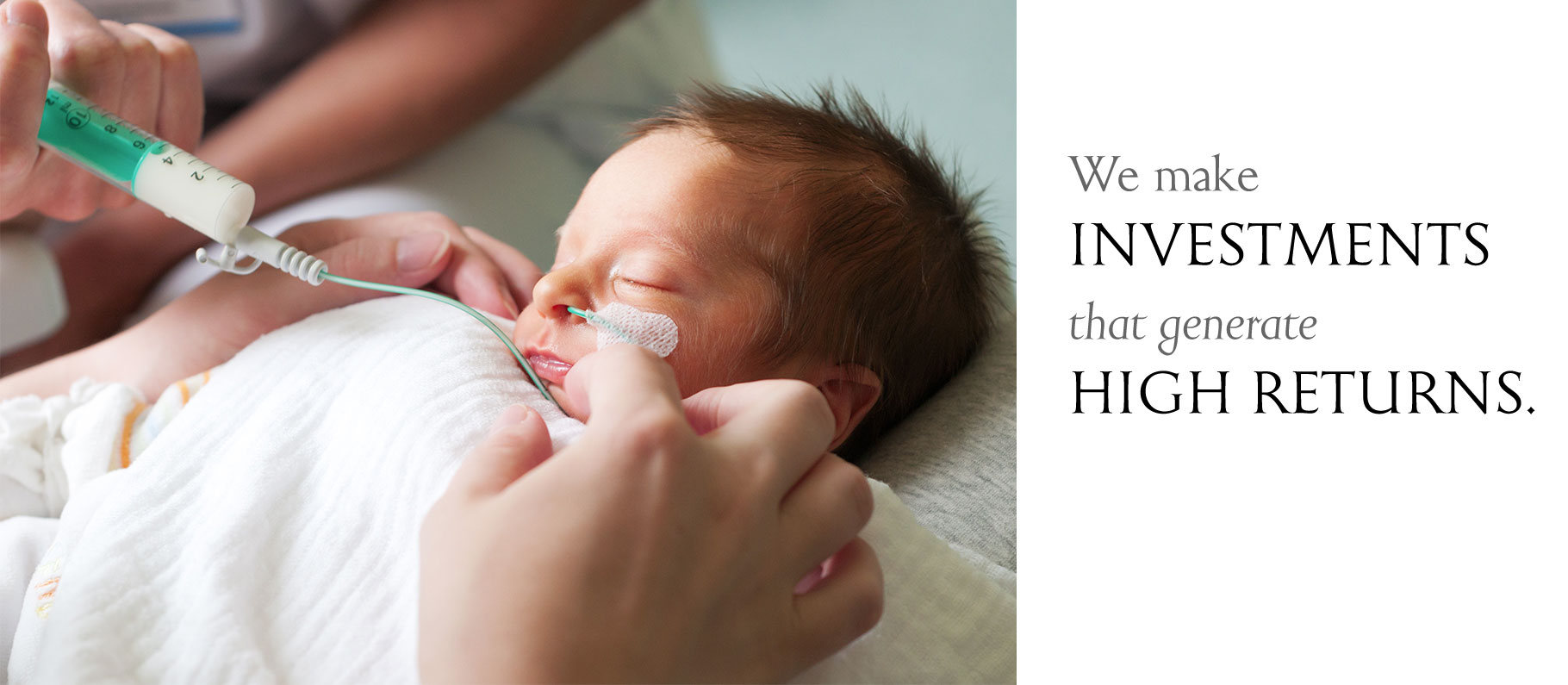
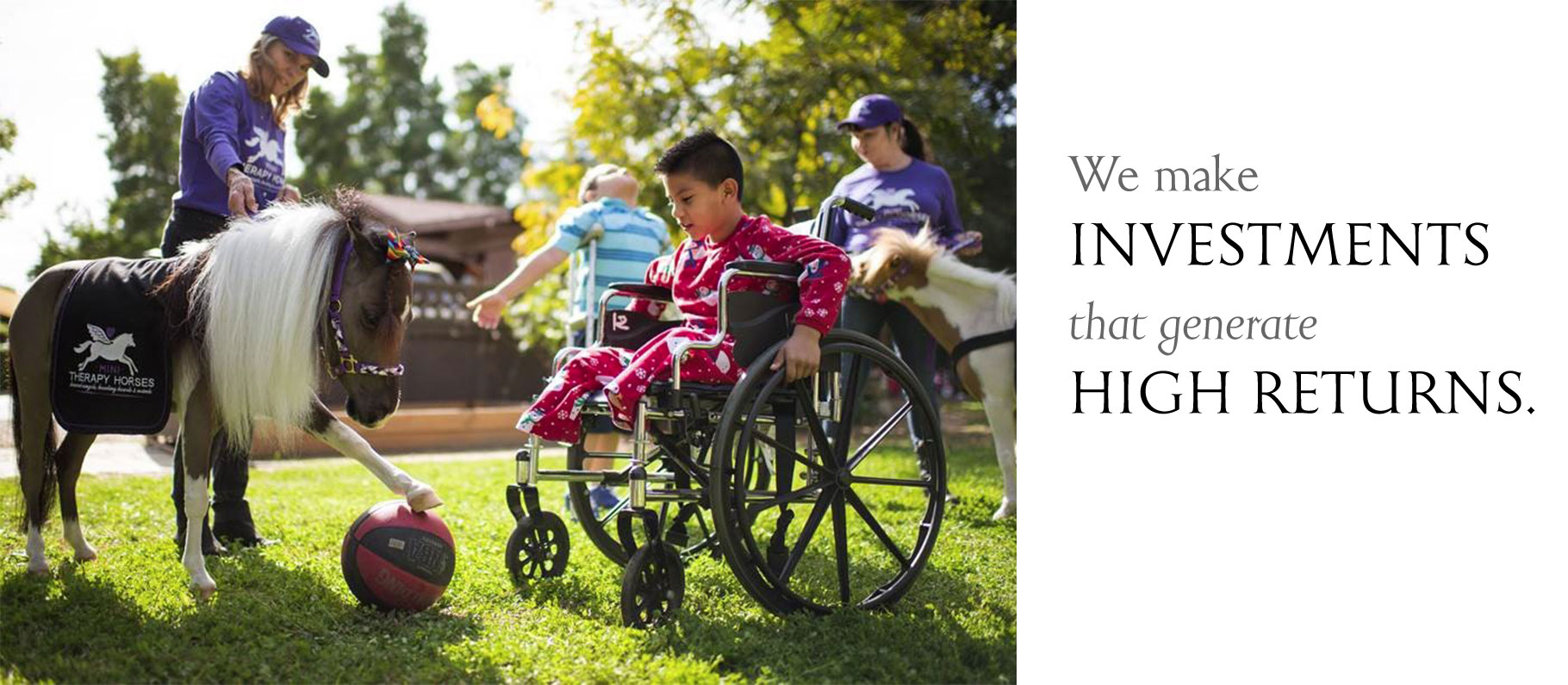
Projects must be community-driven, place-based, tangible, and measurable. Focus areas include children’s health, animal welfare, animal therapy, sustainable agriculture, and organizational effectiveness and capacity.